Program At a Glance
Terms Offered
WinterLanguage


Classes In


Lodging
Dormitory


Department


Astronomy
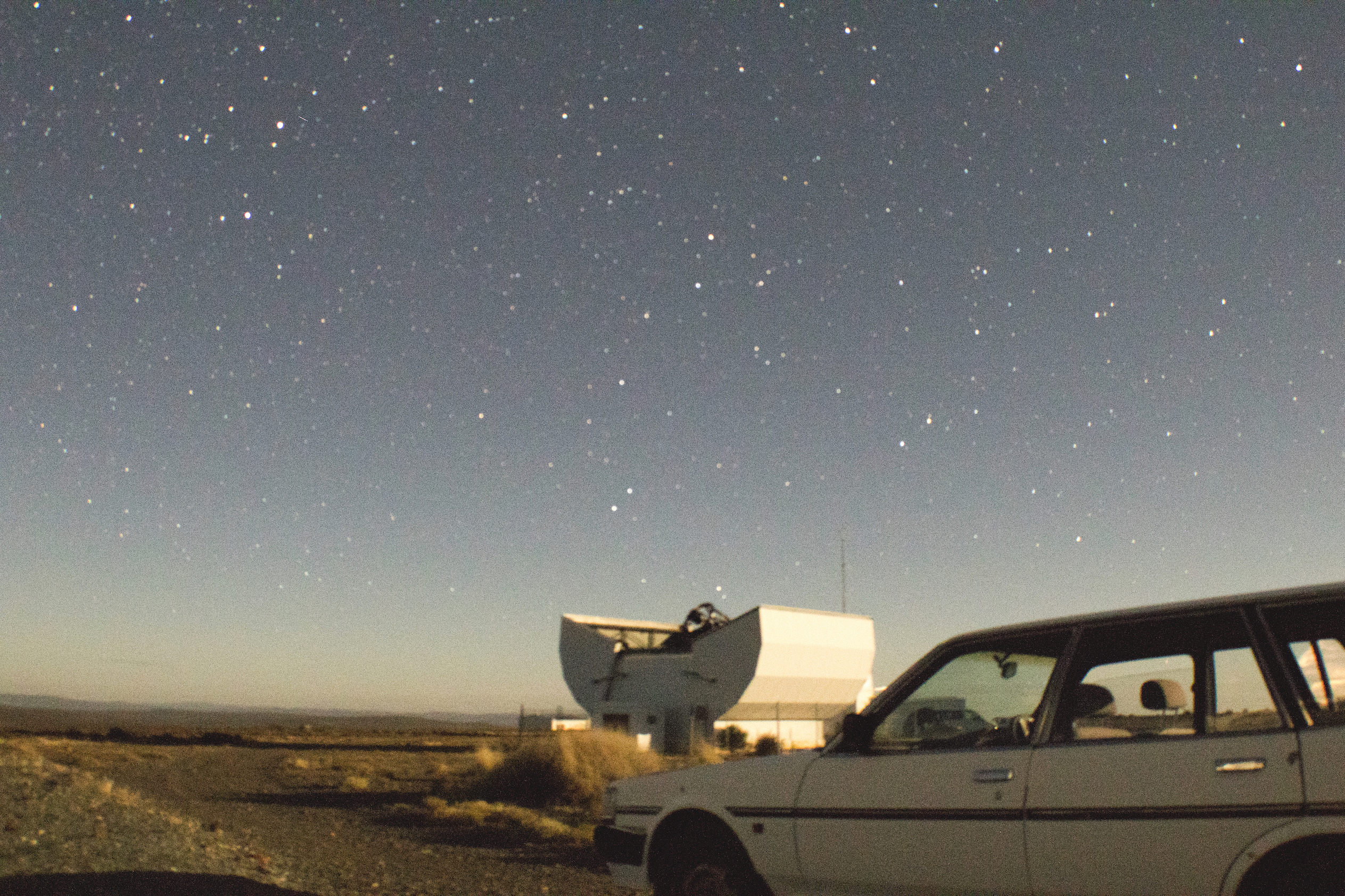
The Department of Physics and Astronomy offers a foreign study program in South Africa. Courses are taught by Dartmouth faculty directors on the campus of the University of Cape Town and the South African Astronomical Observatory.
Through first-hand observations and intensive studies, students will learn about stars in the Milky Way and the Magellanic Clouds. The Large and Small Magellanic Clouds (nearby galaxies) are larger than the full moon and easily visible to the unaided eye.
During the first five weeks of the program, students will be based in Cape Town, learning about astrophysics and observational astronomy through classroom instruction and practical projects. This will include learning how to operate telescopes and running public observing sessions.
This program provides students with a unique opportunity to observe the southern hemisphere night sky at the national observatory of South Africa.
About 18 students are selected for the program.
For more information about applying for this program, see our webpage on How to Apply & our FAQs under section 2 (How to Apply: Application)


 Brian Charles Chaboyer Professor
ASTR 61
Observational Techniques in Astronomy
ASTR 81
Special Topics in Astronomy
PHYS 31.03
Research Methods in 21st Century Astronomy in South Africa
One Introductory physics course:
PHYS 15
Introductory Physics I, Honors Section
One Introductory Astronomy Course:
ASTR 3
Exploring the Universe, with Laboratory
 TBD
ASTR 61
Observational Techniques in Astronomy
ASTR 81
Special Topics in Astronomy
PHYS 31.03
Research Methods in 21st Century Astronomy in South Africa
One Introductory physics course:
PHYS 15
Introductory Physics I, Honors Section
One Introductory Astronomy Course:
ASTR 3
Exploring the Universe, with Laboratory
Students live in shared, self-catered apartments/flats equipped with kitchen facilities for preparing meals. Apartments are located near the University of Cape Town and are shared with fellow program participants and local students. Students should expect to share a bedroom and bathroom with other students. All students committed to this program will complete a housing preference form for shared housing and roommate placements.
Approximately one week of the program will be spent at the national observatory in Sutherland (four hours north of Cape Town), a remote location which is home to over 20 professional telescopes, including the largest telescope in the southern hemisphere, SALT. After collecting data for a week, students will return to Cape Town, where they will analyze their data and present the results of their independent research. During this time, students will assist staff at the national observatory in their public outreach efforts by visiting local schools and introducing young learners to the wonders of the night sky and the science of astronomy.
For more information, please see the department website.
We encourage students to engage with their SAS advisors and program faculty/staff during the exploratory, pre-application phase to discuss how disability-related accommodations and access needs can be supported in an off-campus environment. If you currently have approved accommodations at Hanover, SAS will review them to determine which can be provided at your off-campus location and what alternatives may be needed. On-campus and off-campus accommodations may differ depending on each program location's resources and accessibility features. We recommend beginning this discussion with SAS as soon as you are accepted and no later than at least one whole quarter before your program start date.
For next steps, review the Off-Campus Program Accommodations page on the SAS website.
The fees charged by the College for a Dartmouth-sponsored off-campus term of study include regular tuition charges for a term at Dartmouth, service fees, as well as the specific costs established for each off-campus study locale. In many programs, the room and board costs tend to be higher than for a term in Hanover. You can view a budget sheet for each program by clicking on the appropriate term under "Financing Your Program". The cost of transportation to and from the site is the responsibility of the student.
In order that all qualified Dartmouth undergraduate students may have the opportunity to take part in study away programs, the College endeavors to adjust its normal financial aid awards for students already receiving aid. Tuition and expected family contribution for Dartmouth's study away programs are the same as for an on-campus term.
All costs, including airfare and spending money, are considered when determining the cost of a study away program. Any costs more than a typical term in Hanover are met with additional Dartmouth Scholarship Funds. If you have a work expectation for the term, this will be replaced by scholarship funding for programs that span the entire term.
Students are responsible for purchasing their own plane tickets and, in many cases, meals. Often this means that part of the expected family contribution is used towards these costs rather than for tuition. For help sorting out who pays what and how-- a visit to the Financial Aid Office is often advisable. For more information please also review the study abroad section of the financial aid website.
Financing your program | Financial Aid | Scholarships | Budgeting & Costs
 Megan Whitlock Department Administrator
 Nicole Tiao and Jacob Klein Winter 2019 Program Alumni