Fall 2027
Application Deadline
Feb 1, 2027 3 Months
2 Weeks
6 Days
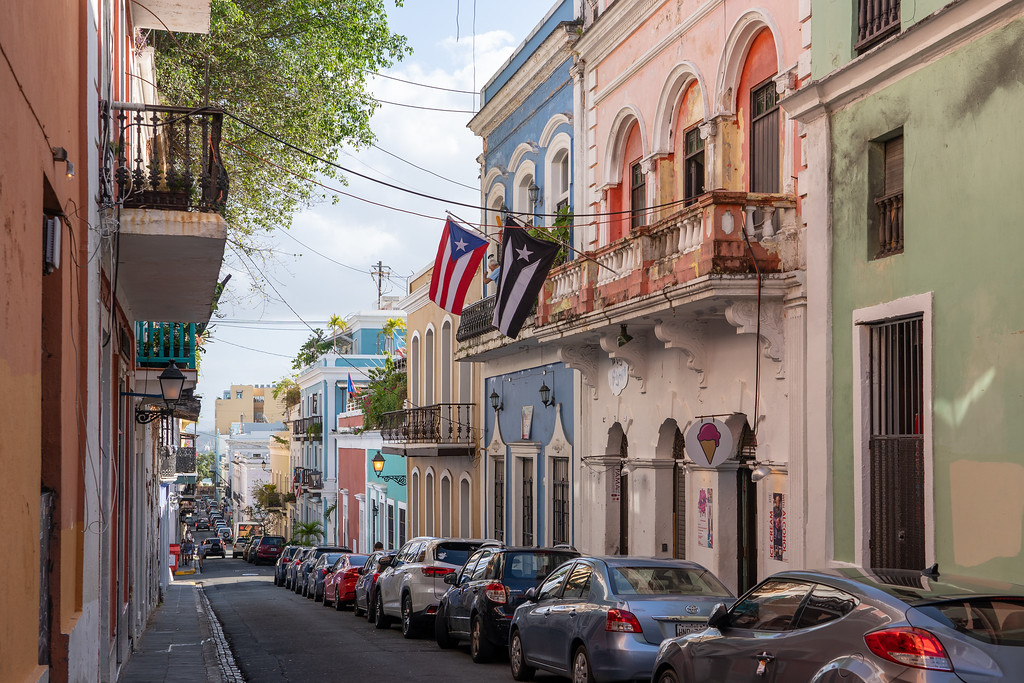






How do art, literature, and music help us make sense of colonialism, climate change, and the struggle for environmental justice? This three-week program in Puerto Rico invites students to explore how Puerto Ricans—on the island and across the diaspora—have used cultural expression as a form of resistance to centuries of environmental degradation and political subjugation.
Through the lens of environmental humanities, students will examine the intersections of colonial history, ecological transformation, and cultural identity. We will ask how creative expression—poetry, reggaetón, protest art, murals, and oral histories—can reveal deeper truths about "La Brega," or the ongoing struggle to live with dignity in the face of systemic oppression and environmental vulnerability. In doing so, students will engage with urgent questions at the core of environmental humanities: Who bears the brunt of ecological destruction? How is land both weaponized and reclaimed? What stories do we tell about survival, resistance, and repair?
Over the fall term, students will meet twice for orientation sessions, where they'll engage with foundational texts such as Puerto Rico: A National History by Jorell Meléndez-Badillo and explore the rich world of Puerto Rican music and visual art, including works from the Hood Museum's Puerto Rican collection. Then, over three immersive weeks in Puerto Rico during the winter break, we'll travel across the main island and to Vieques and Culebra, visiting coffee farms, agroecological projects, and sites of environmental harm and recovery—from oil refineries to military Superfund sites. We'll hike through El Yunque rainforest, explore the karst caverns of the north, and kayak through bioluminescent bays—all while meeting with local artists, curators, community leaders, and environmental organizations working at the intersections of culture and climate.
Through field-based learning, site visits, guest lectures, and student-led group discussions, students will gain a nuanced understanding of how Puerto Rico's environmental histories and cultural forms offer insight into broader global challenges around colonialism, resistance, and climate change. This program is ideal for students interested in literature, environmental studies, Latinx and Caribbean studies, history, and the arts—and for anyone eager to think critically, creatively, and collaboratively about how culture shapes ecological futures.
About 16 students will be selected for this program.
For more information about applying for this program, see our webpage on How to Apply & our FAQs under section 2 (How to Apply: Application)
 Israel Reyes Professor
 Spanish 65.XX/ENVS XX: Colonial Legacies, Cultural Resistance, and Ecological Futures: Environmental Humanities in Puerto Rico
For students wishing to include this Fall Term Plus course credit in their Hispanic Studies major or minor, the prerequisite for acceptance is successful completion of SPAN 20, which serves as the prerequisite for all upper-level courses in Spanish and is a requirement for all majors and minors. For students wishing to include this course credit in their Environmental Studies major or minor, the prerequisite is successful completion of either ENVS 2 or ENVS 3, which serve as prerequisites for all ENVS majors and minors (Preference also given to students who met their Dartmouth language requirements through Spanish).
 Joseph Tumber-Dávila Assistant Professor
 Spanish 65.XX/ENVS XX: Colonial Legacies, Cultural Resistance, and Ecological Futures: Environmental Humanities in Puerto Rico
For students wishing to include this Fall Term Plus course credit in their Hispanic Studies major or minor, the prerequisite for acceptance is successful completion of SPAN 20, which serves as the prerequisite for all upper-level courses in Spanish and is a requirement for all majors and minors. For students wishing to include this course credit in their Environmental Studies major or minor, the prerequisite is successful completion of either ENVS 2 or ENVS 3, which serve as prerequisites for all ENVS majors and minors (Preference also given to students who met their Dartmouth language requirements through Spanish).
Students will live in shared accommodation during the 3 weeks which could include dormitory, small group living and hotels. The program will travel to different parts of the island via coach or bus and should expect to travel for multiple nights to different locations. There could be limited opportunities to cook meals and many meals will be provided at local accommodation or while traveling with the group.
We encourage students to engage with their SAS advisors and program faculty/staff during the exploratory, pre-application phase to discuss how disability-related accommodations and access needs can be supported in an off-campus environment. If you currently have approved accommodations at Hanover, SAS will review them to determine which can be provided at your off-campus location and what alternatives may be needed. On-campus and off-campus accommodations may differ depending on each program location's resources and accessibility features. We recommend beginning this discussion with SAS as soon as you are accepted and no later than at least one whole quarter before your program start date.
For next steps, review the Off-Campus Program Accommodations page on the SAS website.
The budget sheet for this program will be available soon.
In order that all qualified Dartmouth undergraduate students may have the opportunity to take part in off-campus programs, the College endeavors to adjust its normal financial aid awards for students already receiving aid. Tuition and expected family contribution for Dartmouth's off-campus programs are the same as for an on-campus term.
All costs, including airfare and spending money, are considered when determining the cost of an off-campus program. Any costs more than a typical term in Hanover are met with additional Dartmouth Scholarship Funds. If you have a work expectation for the term, this will be replaced by scholarship funding for programs that span the entire term. We do not replace work expectations for our Fall Term + programs as students are in Hanover for the 10 week term and remain eligible to work.
Students are responsible for purchasing their own plane tickets and, in many cases, meals. Often this means that part of the expected family contribution is used towards these costs rather than for tuition. For help sorting out who pays what and how-- a visit to the Financial Aid Office is often advisable. For more information please also review the study abroad section of the financial aid website.
Financing your program | Financial Aid | Scholarships | Budgeting & Costs
Please note that the tuition and fees you pay to the college for the fall term will include the Fall Term+ course associated with this off-campus program. There will be additional room and board costs billed to your student account associated with the off-campus program. These fees, in addition to any estimated out of pocket expenses will be eligible for financial aid for those students who qualify.
 Greg LeBlanc Department Administrator