Program At a Glance
Terms Offered
SummerClasses In


Lodging
Dormitory


Department


Government

The Baltic countries provide a fascinating learning laboratory for studying democracy, national security, and the dynamics of language and culture. The unique perspective of these Baltic nations results from their distinctive geographic location, positioned between Europe, Scandinavia, and Russia.
All students in the program will take a broad survey covering the history and culture of the Baltic region, incorporating guest lectures by a stellar range of local scholars. The government curriculum will focus on gaining a greater understanding of democratization, ethnic group dynamics, and security concerns in the region. Although the Baltic states are now EU and NATO members, the history of the Baltic states is closely intertwined with that of the Russian Empire and Soviet Union. Students studying Russian language in these countries will appreciate the long and complicated history of contacts with Russia, as well as the crucial perspective of a formerly colonized nation.
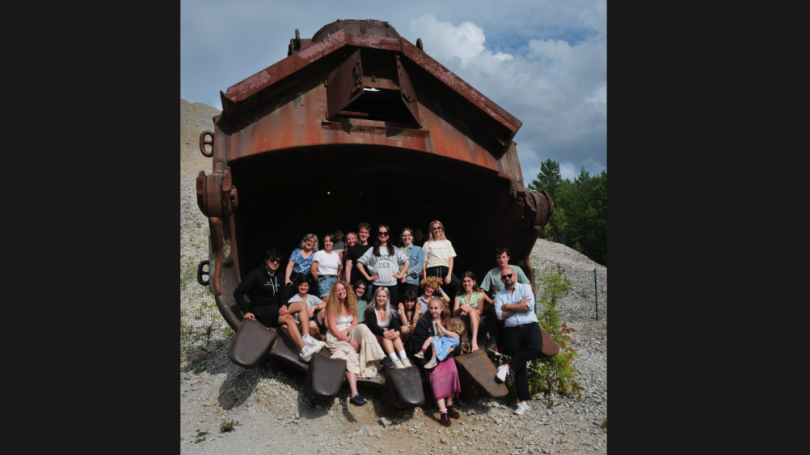
The program will be centrally based in Riga, Latvia. However, students will gain exposure to all three Baltic countries via an extended stay in Tallinn and a trip to Lithuania during the final week of the term.
About 15 students are selected for the program.
For more information about applying for this program, see our webpage on How to Apply & our FAQs under section 2 (How to Apply: Application)


 Jeremy Ferwerda Associate Professor
 Students will take three courses while on the Baltics FSP, while only two credits can be applied to the Government Major.
EEER 25: Baltic History, Culture, & Regional Identity (This credit cannot be applied to the Government Major)
GOVT 96.04: Politics of Democratization, Identity, and Regime Change in the Baltics, taught by Prof. Ferwerda (GOVT Seminar)
GOVT XX Baltic Security, taught by faculty at Tallinn University
The prerequisites for this program consist of any two government introductory courses of the following courses: Government 5, and any one of the following courses Government 3, Government 4, or Government 6.
Relevant coursework in other departments will also be considered.
Students live in dormitories or student apartments.
We encourage students to engage with their SAS advisors and program faculty/staff during the exploratory, pre-application phase to discuss how disability-related accommodations and access needs can be supported in an off-campus environment. If you currently have approved accommodations at Hanover, SAS will review them to determine which can be provided at your off-campus location and what alternatives may be needed. On-campus and off-campus accommodations may differ depending on each program location's resources and accessibility features. We recommend beginning this discussion with SAS as soon as you are accepted and no later than at least one whole quarter before your program start date.
For next steps, review the Off-Campus Program Accommodations page on the SAS website.
The fees charged by the College for a Dartmouth-sponsored off-campus term of study include regular tuition charges for a term at Dartmouth, service fees, as well as the specific costs established for each off-campus study locale. In many programs, the room and board costs tend to be higher than for a term in Hanover. You can view a budget sheet for each program by clicking on the appropriate term under "Financing Your Program". The cost of transportation to and from the site is the responsibility of the student.
In order that all qualified Dartmouth undergraduate students may have the opportunity to take part in off-campus programs, the College endeavors to adjust its normal financial aid awards for students already receiving aid. Tuition and expected family contribution for Dartmouth's off-campus programs are the same as for an on-campus term.
All costs, including airfare and spending money, are considered when determining the cost of an off-campus program. Any costs more than a typical term in Hanover are met with additional Dartmouth Scholarship Funds. If you have a work expectation for the term, this will be replaced by scholarship funding for programs that span the entire term.
Students are responsible for purchasing their own plane tickets and, in many cases, meals. Often, families find that they owe less for billable items for study away terms but will instead use more of their expected family contribution towards indirect costs such as the flight and meals. For help sorting out who pays what and how, contacting the Financial Aid office is often advisable.
Financing your program | Financial Aid | Scholarships | Budgeting & Costs
 Roberta Seaver Department Administrator
  TBD
TBD