Spring 2028
Application Deadline
Feb 1, 2027 2 Months
1 Week
2 Days
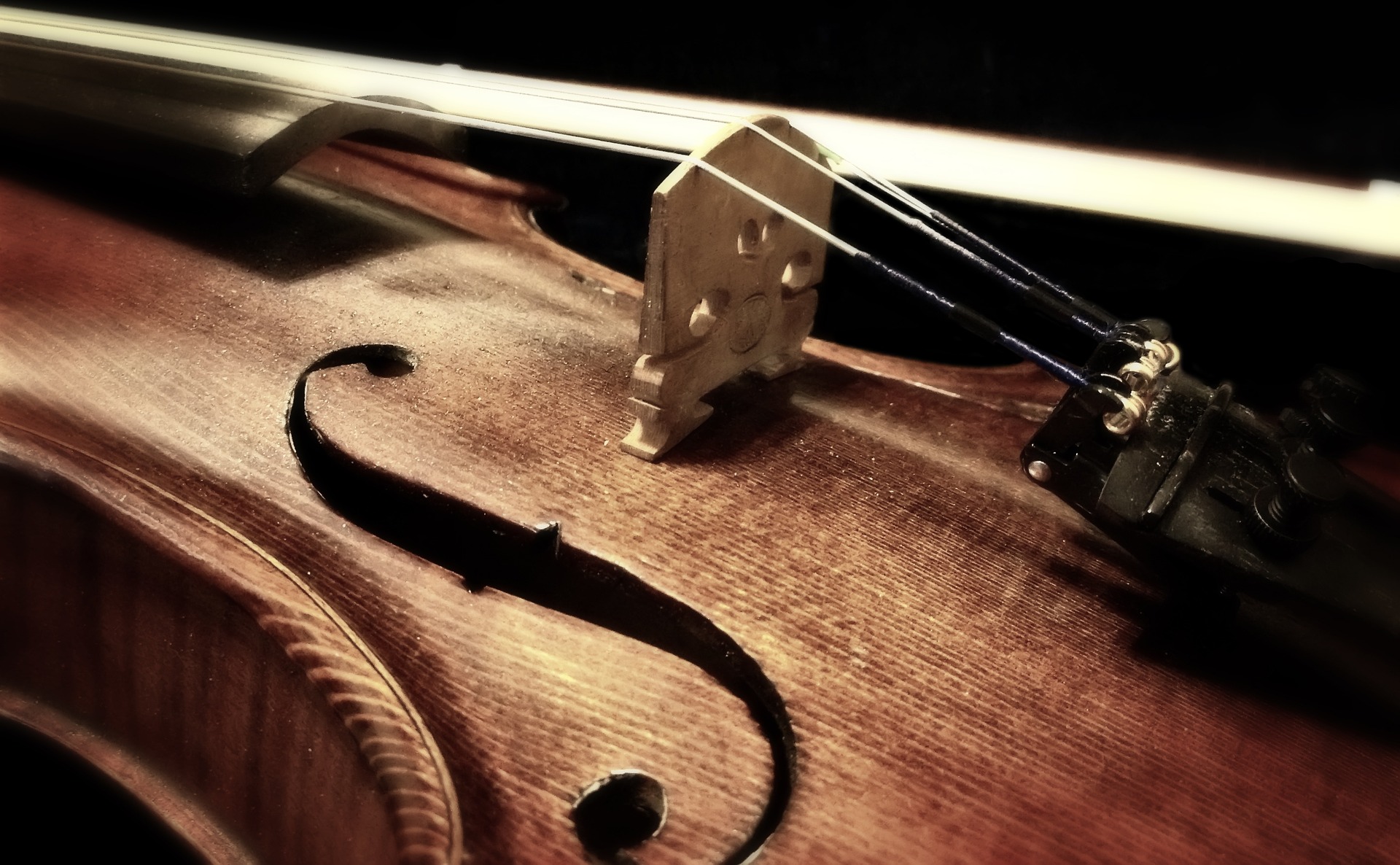








The Department of Music offers a foreign study program in Vienna, Austria, and is operated in partnership with a third-party provider, IES Abroad. The music foreign study program provides an opportunity for students to combine the study of music with an intensive exposure to musical performance while living in Vienna. The program is open to vocalists, instrumentalists, and composers, as well as to students whose focus is on music history, theory, or ethnomusicology.
About 13 students are selected for the program.
For more information about applying for this program, see the department website. Additional information: How to Apply & our FAQs under section 2 (How to Apply: Application)

 Kui Dong Professor
MUS 74
History of Music in Central Europe
MUS 70
Perspectives in Music Performances
MUS 87
Special Studies in Music Abroad (Individual Instruction on Music FSP)
1. At least one of the following: MUS 20.01 (previously MUS 21), MUS 21.01 (previously MUS 20), MUS 22, MUS 23.
2. At least one of the following: MUS 2, MUS 11, MUS 16.02, MUS 25, MUS 26, MUS 34, MUS 41.01, MUS 42, MUS 43, MUS 45.04, MUS 46.
3. At least two terms of a Performance Laboratory (MUS 50) or three terms of Individual Instruction Program courses (MUS 53–58)
Students live in shared, self-catered apartments/flats equipped with kitchen facilities for preparing meals. Students should expect to share a bedroom and bathroom with other students. All students committed to this program will complete a housing preference form for shared housing and roommate placements.
We encourage students to engage with their SAS advisors and program faculty/staff during the exploratory, pre-application phase to discuss how disability-related accommodations and access needs can be supported in an off-campus environment. If you currently have approved accommodations at Hanover, SAS will review them to determine which can be provided at your off-campus location and what alternatives may be needed. On-campus and off-campus accommodations may differ depending on each program location's resources and accessibility features. We recommend beginning this discussion with SAS as soon as you are accepted and no later than at least one whole quarter before your program start date.
For next steps, review the Off-Campus Program Accommodations page on the SAS website.
The fees charged by the College for a Dartmouth-sponsored off-campus term of study include regular tuition charges for a term at Dartmouth, service fees, as well as the specific costs established for each off-campus study locale. In many programs, the room and board costs tend to be higher than for a term in Hanover. You can view a budget sheet for each program by clicking on the appropriate term under "Financing Your Program". The cost of transportation to and from the site is the responsibility of the student.
In order that all qualified Dartmouth undergraduate students may have the opportunity to take part in study away programs, the College endeavors to adjust its normal financial aid awards for students already receiving aid. Tuition and expected family contribution for Dartmouth's study away programs are the same as for an on-campus term.
All costs, including airfare and spending money, are considered when determining the cost of a study away program. Any costs more than a typical term in Hanover are met with additional Dartmouth Scholarship Funds. If you have a work expectation for the term, this will be replaced by scholarship funding for programs that span the entire term.
Students are responsible for purchasing their own plane tickets and, in many cases, meals. Often this means that part of the expected family contribution is used towards these costs rather than for tuition. For help sorting out who pays what and how-- a visit to the Financial Aid Office is often advisable. For more information please also review the study abroad section of the financial aid website.
Financing your program | Financial Aid | Scholarships | Budgeting & Costs
 TBD