Program At a Glance
Terms Offered
FallLanguage


Classes In


Lodging


Department


African and African American Studies
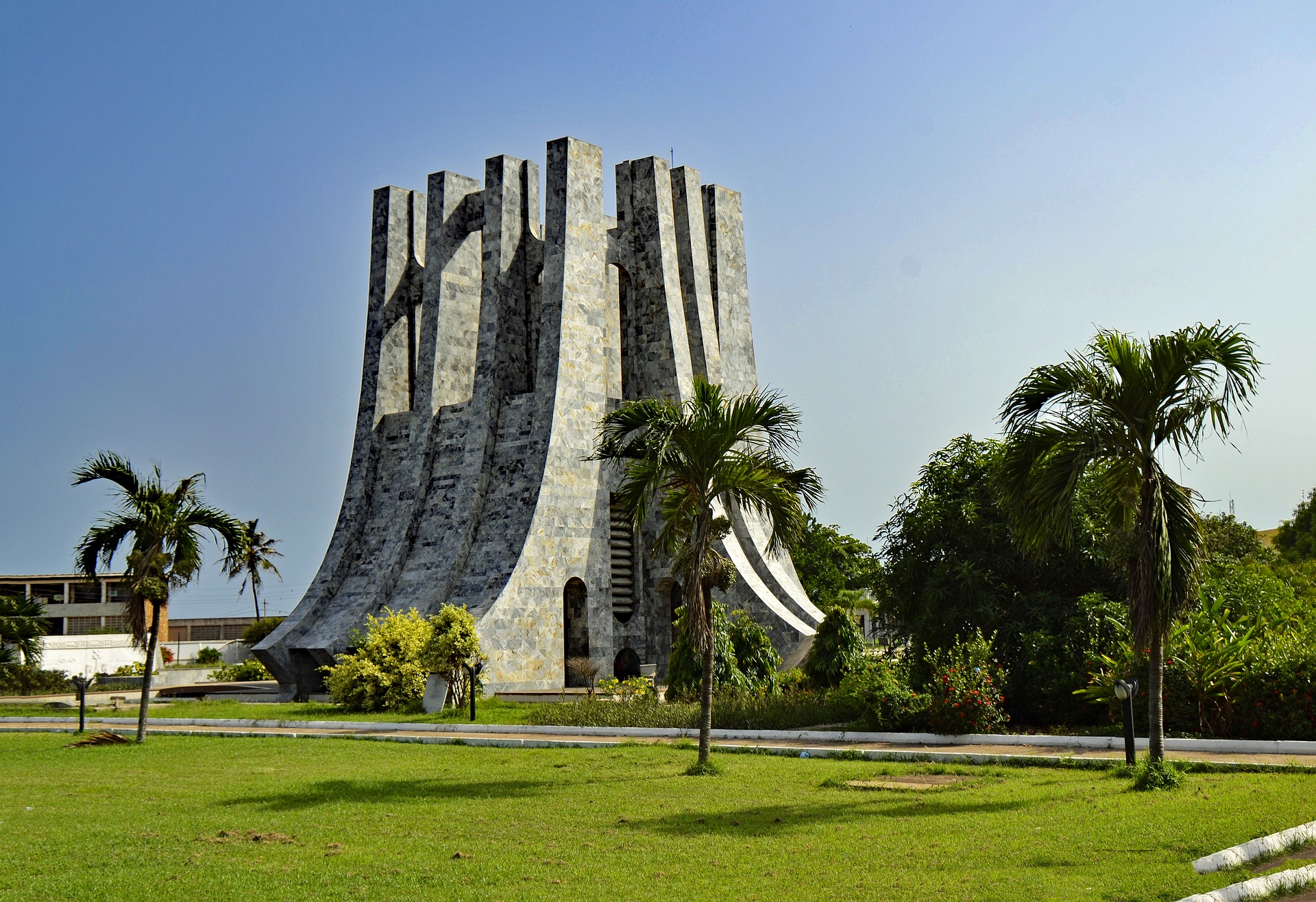
The Department of African and African American Studies (AAAS) takes students to live and study in Accra, the cosmopolitan coastal capital city of Ghana. Courses in African Political Movements, Indigenous Slavery, and Globalization are taught on the campus of the University of Ghana, Legon, by the Dartmouth faculty director as well as senior faculty at the University of Ghana.
Accra is a rapidly growing, cutting-edge city that showcases both modern life and a rich history. It serves as a vibrant global epicenter of both the contemporary visual arts and African popular music, with styles ranging from Azonto to Afrobeats. The city is also a thriving finance and technology hub that attracts entrepreneurial energy and urban development. It is home to glittering beaches, historic monuments, museums, traditional markets, and lively nightlife.
In addition to exploring the artistic and cultural delights of the city, students learn about Ghana's multifaceted history, which stretches from its role in the transatlantic slave trade to its significance as the first sub-Saharan African nation to win independence from British colonial rule in 1957. The program seeks to provide students with a nuanced understanding of the history and culture of the West African sub-region, as well as the myriad cosmopolitan networks and power dynamics that constituted the slave trade, colonial rule, and post-independence nation-building.
About 16 students are selected for the program.
For more information about applying for this program, see our webpage on How to Apply & our FAQs under section 2 (How to Apply: Application)


 Clifford C. Campbell Visiting Lecturer
AAAS | 87.05 | 90:
Politics of Africa
AAAS | 87.07 | 90:
Globalization and the African Continent
AAAS | 87.08 | 90:
Indigenous Slavery in Ghana and West Africa
Selection Criteria: Preference will be given to students who have taken at least one African Studies course.
Students live with families in homestays for the full duration of the program. A homestay experience provides students with the opportunity to become integrated into the community, build meaningful relationships, and learn about Ghanaian daily life and culture on a deeper level. Homestays are all situated near the University of Ghana campus. Students will use public transportation and ride share apps to commute to campus where classes are held.
The program includes experiential learning opportunities such as excursions to the W.E.B. DuBois Memorial Centre, forest reserves, and contemporary art markets. In addition to their regular faculty, students will learn from guest speakers such as archaeologists of the slave trade, playwrights, pan-African activists, hip-hop musicians, and DJs. All instruction is in English, but students take an introduction to the Akan language to gain initial familiarity with a common Ghanaian language. They will also be able to pursue independent research and explore aspects of Accra customized to their interests. University offices and libraries are available for students' use.
For more information, please see the department website.
We encourage students to engage with their SAS advisors and program faculty/staff during the exploratory, pre-application phase to discuss how disability-related accommodations and access needs can be supported in an off-campus environment. If you currently have approved accommodations at Hanover, SAS will review them to determine which can be provided at your off-campus location and what alternatives may be needed. On-campus and off-campus accommodations may differ depending on each program location's resources and accessibility features. We recommend beginning this discussion with SAS as soon as you are accepted and no later than at least one whole quarter before your program start date.
For next steps, review the Off-Campus Program Accommodations page on the SAS website.
The fees charged by the College for a Dartmouth-sponsored off-campus term of study include regular tuition charges for a term at Dartmouth, service fees, as well as the specific costs established for each off-campus study locale. In many programs, the room and board costs tend to be higher than for a term in Hanover. You can view a budget sheet for each program by clicking on the appropriate term under "Financing Your Program". The cost of transportation to and from the site is the responsibility of the student.
In order that all qualified Dartmouth undergraduate students may have the opportunity to take part in off-campus programs, the College endeavors to adjust its normal financial aid awards for students already receiving aid. Tuition and expected family contribution for Dartmouth's off-campus programs are the same as for an on-campus term.
All costs, including airfare and spending money, are considered when determining the cost of an off-campus program. Any costs more than a typical term in Hanover are met with additional Dartmouth Scholarship Funds. If you have a work expectation for the term, this will be replaced by scholarship funding for programs that span the entire term.
Students are responsible for purchasing their own plane tickets and, in many cases, meals. Often, families find that they owe less for billable items for study away terms but will instead use more of their expected family contribution towards indirect costs such as the flight and meals. For help sorting out who pays what and how, contacting the Financial Aid office is often advisable.
Financing your program | Financial Aid | Scholarships | Budgeting & Costs
 Roger Arnold Department Administrator
 TBD