Spring 2028
Application Deadline
Feb 1, 2027 4 Months
0 Weeks
0 Days
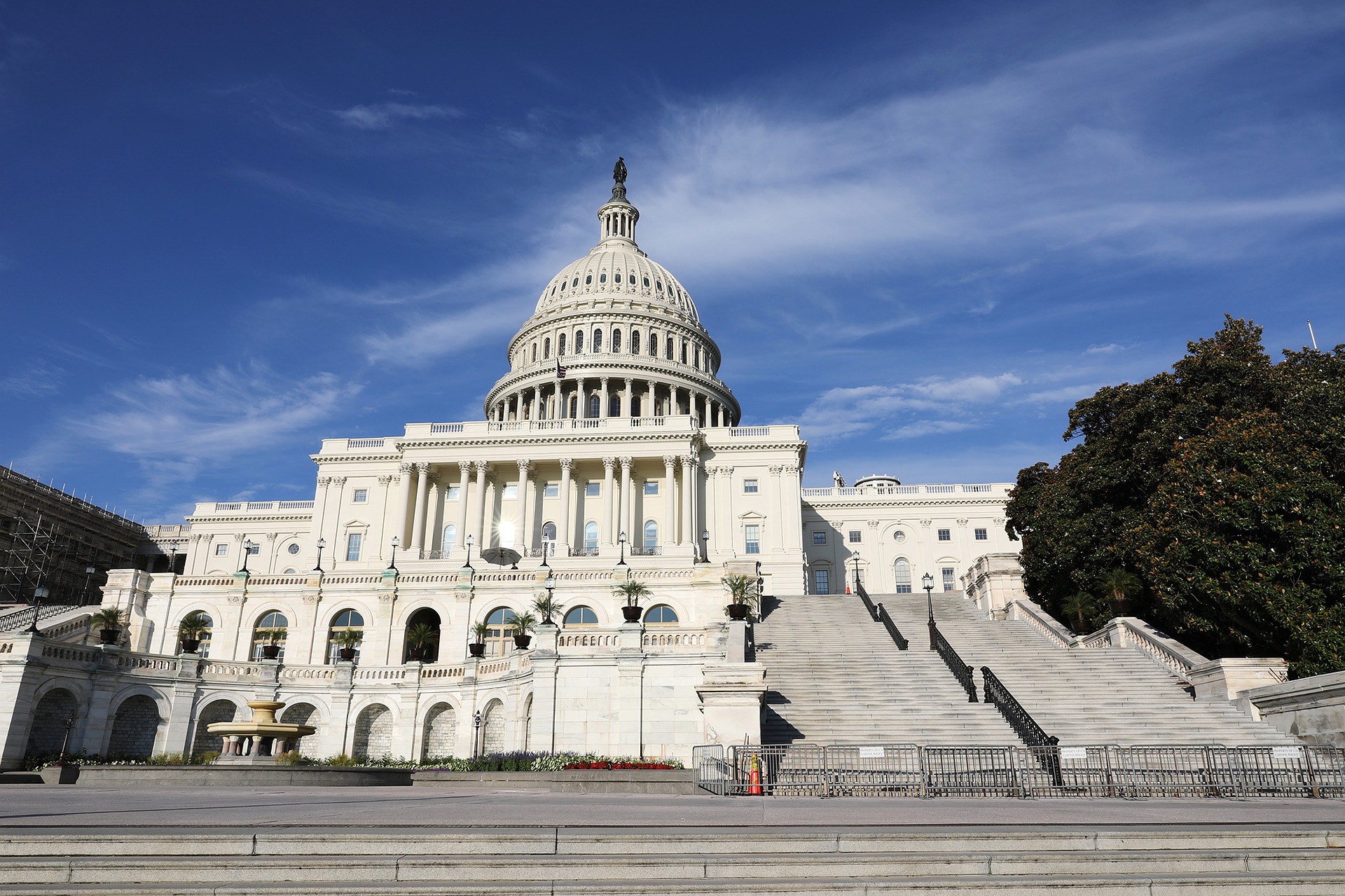








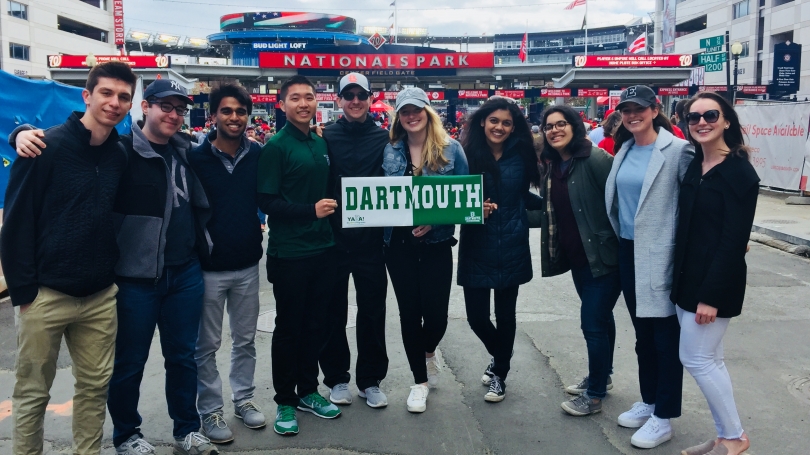
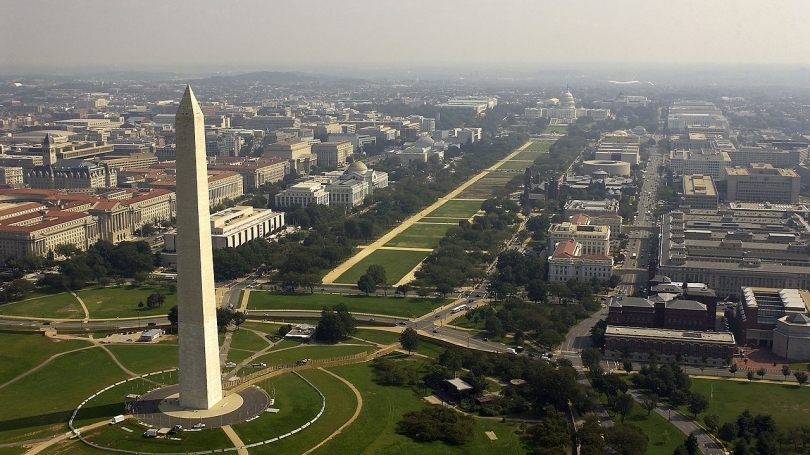
Each spring quarter, the Government Department offers the DC Off-Campus Program that provides a unique and exciting opportunity to live, study, and work in the nation's capital. This is your opportunity to experience American politics up close. You will work in internships related to politics and take courses related to U.S. politics and the politics and history of Washington, D.C. You will meet with high-profile practitioners in the policy arena, many of them Dartmouth alums excited to share their experiences with you. Living in community is a key part of the program. We will live in the same building and have many meals together. We will get to know the city together, visiting the classic monuments as well as DC's different neighborhoods.
This is a rigorous program that involves working at an internship four days a week, taking two regular Dartmouth seminars, and an independent study focused on connecting the internship experience with the academic study. In addition to working Monday through Thursday, Students take classes Tuesday evenings and Friday mornings. The rest of the day on Friday is reserved for outings, visits to meet with guest speakers, and meetings with the professor.
Students are expected to take the initiative to develop their own internship prospects based on their specific interests prior to submitting applications. The internships need to be connected to politics in some way. Past internships have included working in Congress, executive branch offices, courts, NGOs and nonprofit organizations, lobbying organizations, political consultants, mass media, and development agencies. The faculty director will help identify potential internships based on the list of employers who have taken program students in the past. The faculty director will provide students with a letter describing the program and guide students in writing resumes and cover letters.
Students applying for internships need to tell prospective employers that they are available to work an eight-hour day Monday through Thursday from the end of March to the beginning of June.
Please note: International students in F-1 status must select an internship that directly relates to their major, as listed on the Form I-20 at the time of DSP participation, in order to be eligible for Curricular Practical Training (CPT*) work authorization. F-1 students should contact OVIS with any questions.
*CPT work authorization will be required for students on F-1 Visas who participate in GOVT 93.
About 16 students are selected for the program. Students also apply directly to internships.
All applicants will be interviewed by the Program Director and students will be notified of their acceptance in March.
For more information about applying for this program, see our webpage on How to Apply & our FAQs under section 2 (How to Apply: Application)



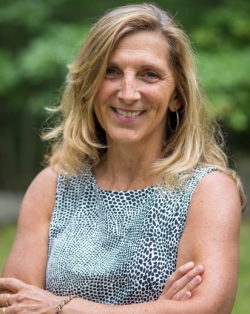 Lisa Baldez Professor of Government
 GOVT | 93 *
Internship Reflections
GOVT | 94
The History and Politics of the Washington Metropolitan Area
GOVT | 95
Human Rights and U.S. Foreign Policy
For more course information please see the department website.
One introductory course in Government or public policy or related field will qualify students to apply.
*CPT work authorization will be required for students on F-1 Visas who participate in GOVT 93.
Students live in shared, self-catered apartments/flats equipped with kitchen facilities for preparing meals. Students should expect to share a bedroom and bathroom with other students. The apartment complex is situated nearby DC in Virginia. All students committed to this program will complete a housing preference form for shared housing and roommate placements.
For more information, please see the department website.
We encourage students to engage with their SAS advisors and program faculty/staff during the exploratory, pre-application phase to discuss how disability-related accommodations and access needs can be supported in an off-campus environment. If you currently have approved accommodations at Hanover, SAS will review them to determine which can be provided at your off-campus location and what alternatives may be needed. On-campus and off-campus accommodations may differ depending on each program location's resources and accessibility features. We recommend beginning this discussion with SAS as soon as you are accepted and no later than at least one whole quarter before your program start date.
For next steps, review the Off-Campus Program Accommodations page on the SAS website.
The fees charged by the College for a Dartmouth-sponsored off-campus term of study include regular tuition charges for a term at Dartmouth, service fees, as well as the specific costs established for each off-campus study locale. In many programs, the room and board costs tend to be higher than for a term in Hanover. You can view a budget sheet for each program by clicking on the appropriate term under "Financing Your Program". The cost of transportation to and from the site is the responsibility of the student.
In order that all qualified Dartmouth undergraduate students may have the opportunity to take part in off-campus programs, the College endeavors to adjust its normal financial aid awards for students already receiving aid. Tuition and expected family contribution for Dartmouth's off-campus programs are the same as for an on-campus term.
All costs, including airfare and spending money, are considered when determining the cost of an off-campus program. Any costs more than a typical term in Hanover are met with additional Dartmouth Scholarship Funds. If you have a work expectation for the term, this will be replaced by scholarship funding for programs that span the entire term.
Students are responsible for purchasing their own plane tickets and, in many cases, meals. Often, families find that they owe less for billable items for study away terms but will instead use more of their expected family contribution towards indirect costs such as the flight and meals. For help sorting out who pays what and how, contacting the Financial Aid office is often advisable.
Financing your program | Financial Aid | Scholarships | Budgeting & Costs
 TBD
TBD